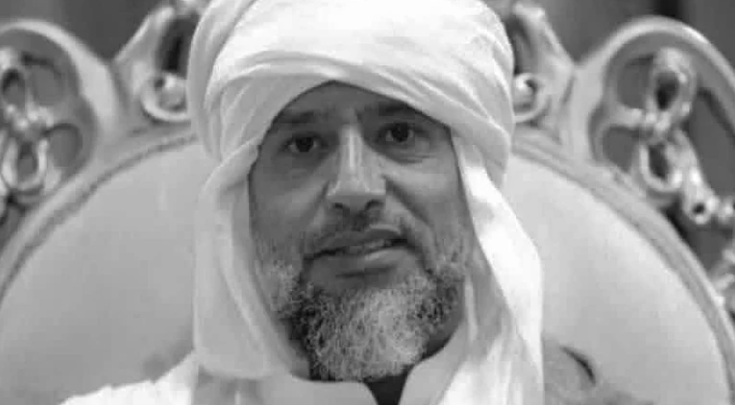

Saif al-Islam Gaddafi Shot Dead Inside His Home
Saif al-Islam Gaddafi, the most well-known son of Libya’s former leader Muammar Gaddafi, has been killed during a deadly attack on his residence in the western Libyan town of Zintan, according to reports from Saudi-owned broadcaster Al Arabiya. He was 53.
The attack reportedly took place late Tuesday night, when four armed assailants entered the property. Sources close to the Gaddafi family said Saif al-Islam was shot in the garden of his home after the attackers disabled security cameras. The gunmen fled the scene immediately after the shooting.
Local sources indicated the killing occurred at around 2:30 am local time. While authorities have not released official details, people close to Saif al-Islam described the incident as a targeted assassination.
Close Associate Confirms Death
Abdullah Othman, a former member of Saif al-Islam’s political team and one of his advisers between 2020 and 2021, confirmed the death in a social media post.
“We belong to God, and to Him we return. The mujahid Saif al-Islam Gaddafi is in God’s care,” Othman wrote, offering public confirmation amid widespread speculation.
A Controversial Figure in Post-Gaddafi Libya
Despite holding no formal government role in recent years, Saif al-Islam remained one of Libya’s most polarising political figures after the fall of his father in the 2011 NATO-backed uprising.
Once viewed as Muammar Gaddafi’s heir apparent, he played a central role in Libyan politics before the revolution, shaping policy and leading sensitive negotiations with Western governments. He was instrumental in talks that led to Libya abandoning its weapons of mass destruction programme and settling compensation claims related to the 1988 Lockerbie bombing.
Educated at the London School of Economics and fluent in English, Saif al-Islam was long seen internationally as a reform-minded bridge between Libya and the West, advocating constitutional reform and human rights—at least publicly.
Role in the 2011 Uprising and Arrest
That image collapsed when protests erupted against his father’s four-decade rule in 2011. Saif al-Islam openly backed a violent crackdown on rebels, famously vowing in interviews that the Gaddafi family would fight to the end.
After Tripoli fell to rebel forces, he attempted to flee Libya disguised as a Bedouin tribesman but was captured by a militia in the desert near the Niger border. He was taken to Zintan, where he spent years in detention.
Human rights groups that later met him reported signs of isolation and mistreatment. In 2015, a court in Tripoli sentenced him to death in absentia for war crimes.
Return to Politics and Election Deadlock
Released in 2017 under an amnesty law, Saif al-Islam lived largely underground, citing fears of assassination. He re-emerged in 2021 to submit his candidacy for Libya’s long-delayed presidential election, banking on nostalgia for pre-2011 stability.
His bid was fiercely opposed by former rebel factions and victims of the old regime. Although initially accepted, his candidacy was later disqualified due to his war crimes conviction. Attempts to appeal the decision were blocked by armed groups, contributing to the collapse of the electoral process and Libya’s continued political paralysis.
Unanswered Questions Surround the Killing
As of now, no group has claimed responsibility for Saif al-Islam Gaddafi’s killing, and Libyan authorities have yet to issue an official statement. His death is likely to further deepen political tensions in a country still struggling to emerge from years of division and conflict.