
Islamabad Mosque Attack Leaves 31 Dead
Thousands of people gathered in Pakistan’s capital on Saturday to mourn and bury victims of a devastating suicide bombing at a Shi’ite Muslim mosque, an attack that left at least 31 people dead and more than 170 injured. The tragedy has reignited concerns about a resurgence of militant violence in major urban centres.
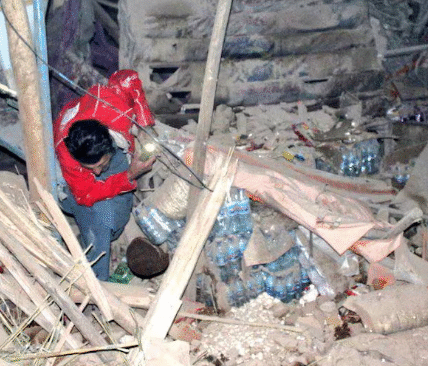
The assault took place at the Khadija Tul Kubra Imambargah, located on the outskirts of Islamabad. According to officials, the attacker first opened fire inside the mosque compound before detonating an explosive device, killing himself along with worshippers who had gathered there.
The Islamic State group later claimed responsibility for the Islamabad mosque attack through a statement circulated on the Telegram messaging platform.
Funeral Prayers Held Under Tight Security
Funeral prayers for several victims were held on Saturday morning near the mosque under heavy security. Police units and elite commandos were deployed across the area as mourners assembled to pay their final respects.
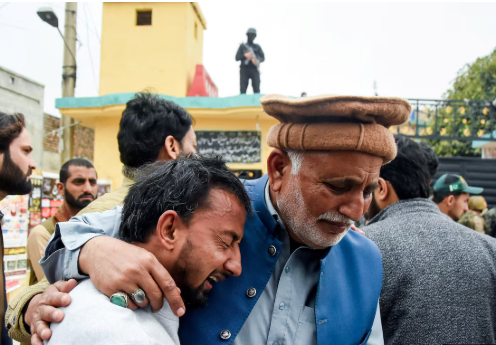
Scenes of grief marked the ceremonies, with mourners beating their chests before lifting coffins and carrying them to nearby burial grounds. Addressing the crowd, a prayer leader condemned the violence, calling for divine punishment for those responsible.
Fears of Renewed Militancy in Cities
While Islamabad is one of Pakistan’s most heavily guarded cities, the bombing was the second such attack in the capital within three months. Security analysts warn that the incident reflects a broader rise in militancy that could threaten other major cities.
Information Minister Attaullah Tarar said authorities are working to identify those who planned and facilitated the attack. He added that several injured victims remain in critical condition but are receiving the best possible medical care.
Diplomatic Tensions After Blame Exchange
Defence Minister Khawaja Asif stated that the attacker had previously travelled to Afghanistan and accused neighbouring India of backing the assault, without presenting evidence. India strongly rejected the allegation, condemning the mosque attack and denying any involvement.
New Delhi said Pakistan should focus on addressing its internal challenges rather than blaming external actors for acts of violence.
Sectarian Violence Concerns Persist
Shi’ite Muslims, a minority in Pakistan’s predominantly Sunni population of over 240 million, have long been targeted in sectarian attacks. Militant groups, including Islamic State and Tehreek-e-Taliban Pakistan, have previously carried out deadly assaults against the community.
The Islamabad mosque attack has once again highlighted the persistent threat of sectarian violence and the challenges facing Pakistan’s security apparatus.