
The UK government is facing mounting political pressure after historic social media posts by Egyptian activist Alaa Abdel Fattah resurfaced just days after his arrival in Britain, triggering calls from senior politicians for his citizenship to be reviewed and possible deportation considered.
The controversy has reignited debate over Britain’s citizenship laws, political vetting, and the balance between human rights advocacy and national security.
Apology Issued as Political Criticism Intensifies
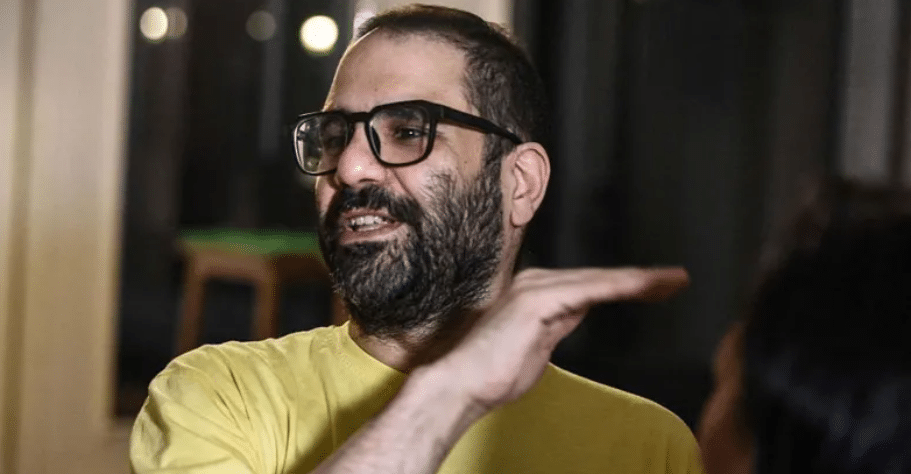
Abdel Fattah, a prominent Egyptian democracy campaigner and dual national, issued a public apology after past tweets—some containing violent and antisemitic language—were widely shared online. He acknowledged the distress caused, stating that he fully understood how “shocking and hurtful” the posts appeared today.
He also expressed concern that the renewed scrutiny came at a moment when he was reuniting with his family for the first time in more than a decade, following his release from prison in Egypt.
Citizenship Review Demanded by UK Politicians
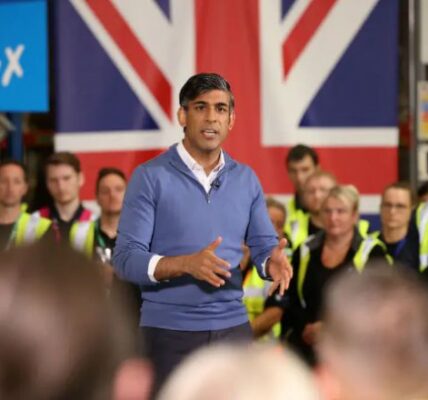
Political leaders from the Conservative Party and Reform UK have urged Home Secretary Shabana Mahmood to assess whether Abdel Fattah’s British citizenship could be revoked, potentially enabling his removal from the UK.
Kemi Badenoch described the comments attributed to Abdel Fattah as “abhorrent and anti-British,” arguing that citizenship decisions should account for an individual’s public statements and ideological record. Reform UK leader Nigel Farage echoed the call, saying the case highlighted serious failures in political due diligence.
Meanwhile, senior Labour figures are reported to be privately divided, with some questioning whether the citizenship grant should have been approved in the first place.
Government Response and International Context
The Foreign Office stressed that Abdel Fattah’s release from Egyptian prison had been a priority for successive UK governments, citing concerns raised by international human rights organisations over his trial and detention. However, officials also condemned the language used in the resurfaced posts, calling it unacceptable.
Abdel Fattah was jailed in Egypt in 2021 on charges of spreading false information, following a trial that rights groups described as fundamentally unfair. He was granted British citizenship later that year through his London-born mother, during the tenure of former Home Secretary Priti Patel.
Under UK law, citizenship can only be removed if it does not leave an individual stateless.
Jewish Groups Voice Serious Concern
The Board of Deputies of British Jews said the case raised profound concerns. Senior vice-president Adrian Cohen warned that rhetoric targeting “Zionists” and broader ethnic groups posed a threat to Jewish communities and public safety.
The group criticised what it described as a lack of scrutiny during the cross-party campaign advocating for Abdel Fattah’s release.
Abdel Fattah Defends Record While Acknowledging Harm
While reiterating his apology, Abdel Fattah argued that some of the tweets had been misrepresented or stripped of context. He said he had long campaigned against police brutality, discrimination against LGBTQ+ people, and religious repression in Egypt—activism he claims directly led to his imprisonment.
A writer and software developer, Abdel Fattah became a prominent figure during Egypt’s 2011 uprising that led to the resignation of former president Hosni Mubarak. He has spent more than ten years in detention and was released in September following a presidential pardon.
He is now living in the UK and has reunited with his teenage son in Brighton.
A Test Case for UK Citizenship Policy
The case is rapidly becoming a flashpoint in Britain’s broader debate over immigration, free speech, and national values. As political pressure grows, the government faces a delicate decision that could set a precedent for how historic speech is weighed against human rights advocacy in future citizenship cases.