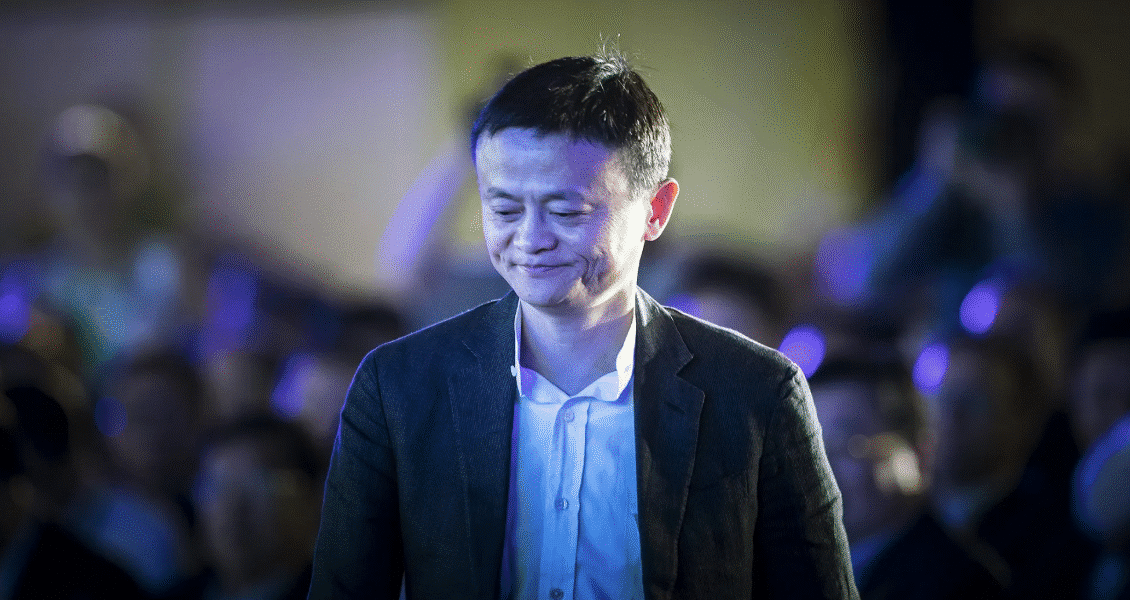

Jack Ma is one of the most influential entrepreneurs in China’s modern history. Known for his charisma, resilience, and long-term vision, he transformed the way Chinese businesses and consumers interact with the digital world. From founding Alibaba in a small apartment to building one of the largest technology ecosystems globally, Jack Ma’s journey defines China’s e-commerce revolution.
Early Life: From English Teacher to Entrepreneur
Born in Hangzhou in 1964, Jack Ma faced repeated failures early in life, including multiple rejections from universities and employers. Despite these setbacks, he became an English teacher, a role that sharpened his communication skills and global outlook.
In 1994, Jack Ma launched his first business, the Haibo Translation Agency. A year later, during a trip to the United States, he discovered the internet and noticed the absence of Chinese companies online. This insight led him to create China Pages, one of China’s earliest internet startups—an experience that laid the groundwork for his future success.
Founding Alibaba: A Unicorn in the Making
In 1999, Jack Ma co-founded Alibaba Group in Hangzhou with 18 friends. His goal was clear: help small and medium-sized enterprises (SMEs) sell products globally through the internet.
Alibaba’s innovative business model charged sellers membership fees rather than commissions from buyers. This approach empowered millions of SMEs and rapidly stabilized China’s business-to-business (B2B) e-commerce market, pushing Alibaba toward unicorn status.
Taobao and the Rise of Online Retail in China
To expand beyond B2B, Jack Ma launched Taobao in 2003, targeting consumer-to-consumer (C2C) commerce. Taobao allowed users to list products for free and generated revenue through advertising, giving it a decisive edge over competitors like eBay.
By 2007, Taobao commanded around 67% of China’s online retail market, fundamentally transforming the country’s retail landscape and accelerating the shift from traditional stores to digital shopping.
Alipay, Ant Group, and Fintech Innovation
To solve trust and payment issues in online transactions, Alibaba introduced Alipay in 2004. This service later evolved into Ant Group, now one of the world’s largest fintech platforms.
Ant Group expanded access to digital payments, credit, and wealth management services, especially for young people and small businesses. Its growth played a crucial role in advancing financial inclusion across China.
Record-Breaking IPO and Global Recognition
Alibaba attracted global investors early on. In 2005, Yahoo acquired a major stake in the company. Alibaba later went public in Hong Kong and, in 2014, made history with the world’s largest IPO on the New York Stock Exchange, raising USD 21.8 billion.
This milestone confirmed Alibaba’s position as a global technology leader and cemented Jack Ma’s status as a visionary entrepreneur.
Education and Leadership at CKGSB
Jack Ma is an alumnus of Cheung Kong Graduate School of Business (CKGSB), China’s leading business school. CKGSB alumni have founded or lead dozens of unicorn companies, playing a critical role in China’s economic development. The school’s emphasis on China-focused insights and peer learning helped shape leaders like Jack Ma.
Philanthropy and Social Responsibility
In 2014, Jack Ma established the Jack Ma Foundation, focusing on education, entrepreneurship, women’s leadership, healthcare, and environmental protection. During the COVID-19 pandemic, Alibaba and the foundation donated billions of yuan in medical supplies and financial aid.
In recognition of his contributions, Forbes named Jack Ma China’s most charitable entrepreneur in 2020.
Jack Ma’s Lasting Legacy
Although Jack Ma stepped down from Alibaba’s leadership roles, his influence continues to shape China’s digital economy. By pioneering e-commerce, fintech, and cloud services, he helped redefine consumption habits, empowered small businesses, and inspired a generation of entrepreneurs.
Conclusion: Jack Ma’s rise from an English teacher to a global business icon is more than a personal success story—it is a defining chapter in China’s economic transformation and a powerful example of how vision, innovation, and perseverance can change the world.