
Aging Power Plants Get a Second Life
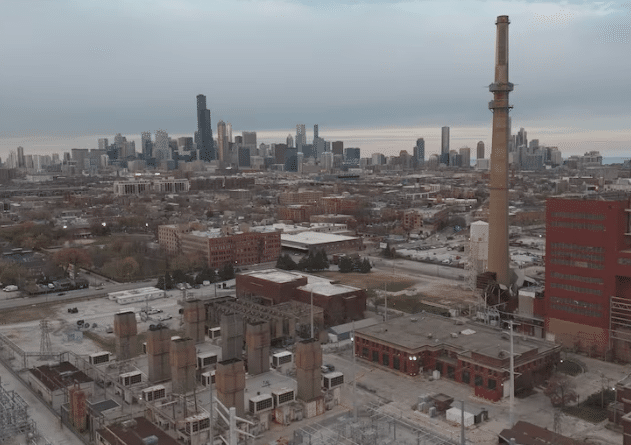
In Chicago’s Pilsen neighborhood, a decades-old oil-fired power facility once expected to shut down is now being kept alive—thanks to soaring electricity demand from artificial intelligence infrastructure.
The eight-unit Fisk power station, owned by NRG Energy, had been slated for retirement in 2026. But explosive growth in power consumption from AI data centers has reversed those plans, as electricity prices surged across the grid operated by PJM Interconnection.
With demand outpacing supply, plant owners are delaying closures of fossil-fueled facilities once considered obsolete.
Peaker Plants Step Back Into the Spotlight
So-called “peaker” plants are designed to run only during short periods of peak electricity demand. They act as emergency backup to prevent blackouts but come with a steep environmental cost.
Many peaker plants are decades old and lack modern pollution controls, emitting higher levels of sulfur dioxide and particulate matter compared with newer power stations. According to filings reviewed by Reuters, nearly 60% of oil, gas, and coal plants scheduled for retirement within PJM territory this year postponed or canceled their shutdowns—most of them peakers.
“These plants have suddenly become profitable again,” said Matt Pistner, a senior executive at NRG Energy.
Pollution Concerns Resurface in Vulnerable Communities
The Fisk plant sits near homes, parks, and schools in Pilsen, a historically working-class neighborhood. Residents fought for years to shut down the coal-fired station that once occupied the site, which finally closed more than a decade ago.
Although pollution levels dropped significantly, emissions never disappeared entirely. Data from the Environmental Protection Agency shows sulfur dioxide emissions from the remaining peaker units still reach up to 25 tons annually.
Environmental advocates warn that restarting and extending the life of these plants could undo years of progress.
“These emissions are concentrated close to where people live,” said Brian Urbaszewski of the Respiratory Health Association, an Illinois-based health nonprofit.
AI Power Demand Strains the Grid
The rapid expansion of AI data centers is emerging as one of the biggest stress tests for the U.S. power system. PJM, which covers 13 states and hosts the world’s largest cluster of data centers, has seen prices paid to generators during peak demand jump more than 800% compared with last year.
PJM spokesman Jeff Shields said the grid “cannot afford to lose existing generation” while demand from AI, electrified manufacturing, and transportation continues to grow.
Federal Policy Signals Shift Toward Existing Capacity
Under U.S. President Donald Trump’s administration, federal energy officials are exploring ways to maximize existing power sources. U.S. Energy Secretary Chris Wright said spare grid capacity—including peaker plants—could be used more frequently to meet immediate demand.
While peakers supply only about 3% of total U.S. electricity, they account for nearly 19% of available capacity, according to the Government Accountability Office.
Environmental Justice at the Center of the Debate
Research shows peaker plants are disproportionately located in low-income communities and communities of color. A 2022 study led by UCLA professor Lara Cushing found formerly redlined neighborhoods were far more likely to host peaker plants than other areas.
Critics argue extending the life of these facilities shifts the environmental burden onto already overexposed populations.
Are There Cleaner Alternatives?
Energy experts say solutions exist. Expanding transmission lines could move electricity from regions with surplus renewable energy to high-demand zones. Large-scale battery storage is also improving rapidly and could eventually replace many peaker units.
“If the grid were modernized, reliance on peakers would likely fall,” said Frank Rusco of the Government Accountability Office.
A Difficult Trade-Off for Cities Like Chicago
NRG Energy insists the Fisk peakers operate within state and federal regulations and provide essential emergency protection during extreme weather events.
But for residents like Jerry Mead-Lucero, a longtime Pilsen environmental advocate, the revival of the plant feels like history repeating itself.
“You combine truck pollution, highways, and industrial facilities—and now this again,” he said. “It becomes a serious health issue.”
With northern Illinois emerging as a fast-growing data center hub, including projects announced by T5 Data Centers, the tension between digital growth and environmental health is only expected to intensify.
Conclusion
As AI data centers reshape the U.S. energy landscape, aging peaker power plants are becoming a controversial stopgap solution. While they help stabilize the grid, their environmental and social costs raise urgent questions about how the country powers its digital future—without sacrificing vulnerable communities.