
For over a decade, the internet rewarded speed, virality, and scale. Anyone with a smartphone could become influential, and platforms thrived on rapid content production. But in 2025, the creator economy is entering a new phase — one defined less by hype and more by sustainability, regulation, and professionalization.
What was once a digital gold rush is now becoming a structured industry.
From Influencers to Independent Businesses
Creators are no longer seen merely as social media personalities. Many now operate as full-scale media brands, managing teams, negotiating contracts, and diversifying revenue streams across subscriptions, merchandise, live events, and licensing.
This shift is forcing creators to think like entrepreneurs. Audience trust, long-term brand value, and consistency matter more than short-term viral success. As a result, the creator economy is moving away from randomness toward repeatable, business-driven models.
Platforms Are Losing Absolute Control
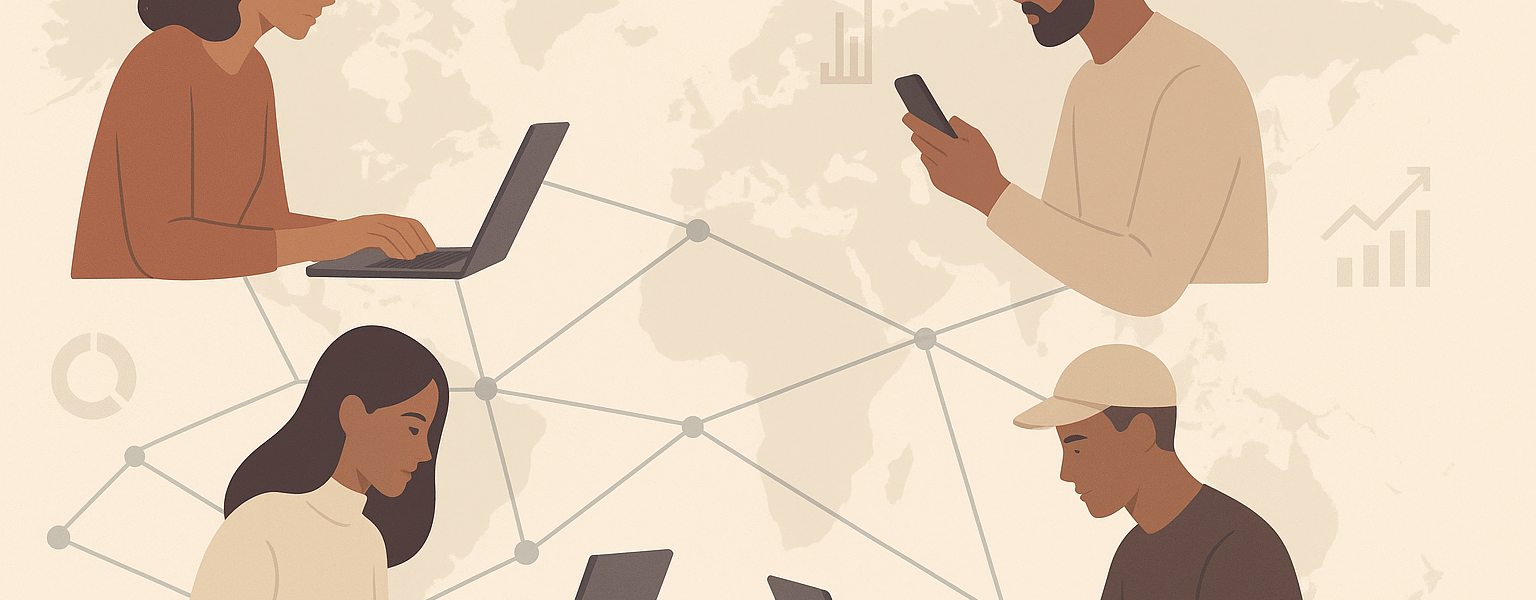
In earlier years, platforms dictated visibility through algorithms that could change overnight. Today, creators are actively reducing dependency on single platforms by building newsletters, private communities, podcasts, and direct-to-consumer channels.
This decentralization is subtly reshaping power dynamics. Platforms still matter, but creators with loyal audiences now have leverage — and the ability to migrate if incentives change.
Regulation and Responsibility Enter the Picture
As creators influence public opinion, markets, and consumer behavior, governments and regulators are paying closer attention. Issues such as undisclosed advertising, misinformation, and financial promotion are increasingly under scrutiny.
The creator economy is no longer operating in a regulatory grey zone. Transparency, accountability, and ethical standards are becoming part of the conversation — signaling that creators are being treated less like hobbyists and more like media professionals.
Audiences Are Changing Too
Viewers are becoming more selective. Instead of following hundreds of accounts, audiences increasingly gravitate toward fewer, higher-quality voices they trust. This favors creators who prioritize depth, authenticity, and expertise over constant posting.
The rise of paid content models also reflects this shift. Audiences are showing a willingness to support creators directly — but only when value is clear and consistent.
What This Means for the Future
The next phase of the creator economy will likely be smaller, smarter, and more resilient. Growth will still matter, but sustainability will matter more. Creators who adapt to this evolution — by diversifying income, respecting audiences, and operating transparently — are positioned to thrive.
In this maturing ecosystem, influence is no longer just about reach. It is about credibility, trust, and long-term relevance.
The creator economy is no longer experimental. It is becoming an institution — and that changes everything.