Iran Protests Intensify as Thousands Rally Against Clerical Rule in Tehran and Major Cities

Iran Protests Escalate as Demonstrators Flood Streets Nationwide
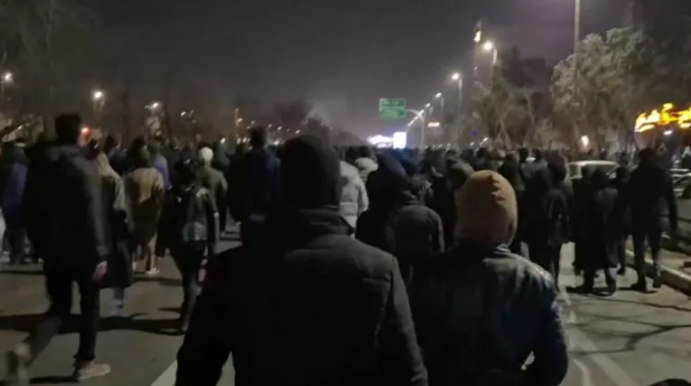
Large-scale anti-government demonstrations erupted across Tehran and dozens of other Iranian cities on Thursday night, marking one of the most significant challenges to the country’s clerical leadership in recent years.
Videos verified by BBC Persian showed thousands of protesters marching peacefully through major roads in the capital as well as in Mashhad, Iran’s second-largest city. Security forces appeared to initially refrain from dispersing the crowds, although later reports pointed to violent clashes in several regions.
Protesters were heard chanting slogans calling for the removal of Supreme Leader Ayatollah Ali Khamenei and expressing support for Reza Pahlavi, the exiled son of Iran’s last monarch. Pahlavi, who lives abroad, had urged Iranians to take to the streets and voice their demands.
Internet Blackout and Rising Death Toll
As demonstrations spread, digital rights monitors reported a near-total nationwide internet blackout. The disruption, according to internet watchdogs, followed a pattern of escalating online censorship aimed at limiting communication among protesters.
Human rights organisations have reported sharply differing casualty figures. The US-based Human Rights Activist News Agency said at least 34 protesters, including children, had been killed, with more than 2,000 arrests nationwide. Meanwhile, Norway-based Iran Human Rights estimated the death toll to be even higher.
Iranian authorities have acknowledged the deaths of several security personnel but have played down the scale of the unrest, with state media broadcasting images of apparently calm streets.
Protests Spread to More Than 100 Cities
Footage from cities including Isfahan, Tabriz, Babol and Dezful showed crowds chanting anti-government slogans such as “Death to the dictator” and “Don’t be afraid, we are all together.” In some areas, protesters were seen dismantling surveillance cameras, while in western provinces clashes reportedly turned deadly.
The unrest has now entered its second week and has spread to more than 100 cities and towns across all of Iran’s provinces, according to monitoring groups. Kurdish-majority regions have seen particularly intense demonstrations, following calls for strikes by exiled opposition groups.
International Reaction Mounts
From Washington, US President Donald Trump warned Iranian authorities against using lethal force on protesters, reiterating that further violence could trigger a strong response. European leaders have also been urged by opposition figures to increase pressure on Tehran.
Iranian President Masoud Pezeshkian called on security forces to show restraint, while Khamenei signalled a hard line, distinguishing between protesters and what he described as “rioters.”
Economic Anger Fuels Unrest
The protests were sparked by public fury over the collapsing Iranian rial, soaring inflation and deepening economic hardship under international sanctions linked to Iran’s nuclear programme. Many demonstrators say corruption, mismanagement and lack of opportunity have made daily life unbearable.
The current unrest is being described as the most widespread since the 2022 protests following the death of Mahsa Amini, and the largest nationwide mobilisation since the disputed 2009 presidential election.