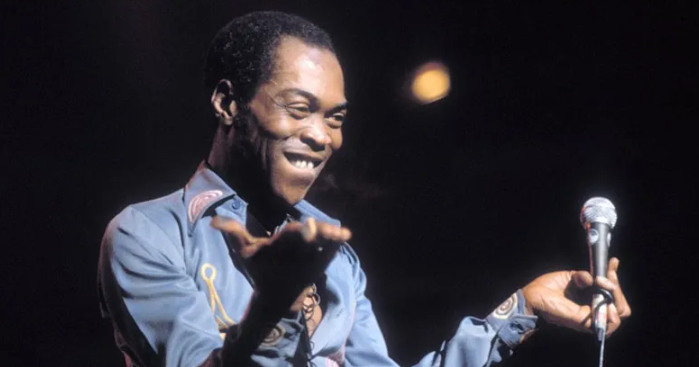

Global Recognition for Afrobeat Pioneer
Late Nigerian music legend Fela Anikulapo Kuti is set to make history as the first African artist to receive a Grammy Lifetime Achievement Award, the Recording Academy has announced.
The honour will be presented posthumously at this year’s Grammy Awards, nearly three decades after Fela’s death in 1997 at the age of 58.
Family Welcomes Long-Awaited Honour
Fela’s son, musician and bandleader Seun Kuti, said the recognition carries deep emotional and cultural significance.
“Fela has lived in people’s hearts for a long time,” he said in an interview. “This acknowledgement helps restore balance to his story.”
Long-time friend and former manager Rikki Stein described the award as overdue recognition for an artist whose influence reshaped global music.
“Better late than never,” Stein said, noting that African music has historically been overlooked by major Western institutions.
Grammys Expand African Representation
The award comes amid growing international recognition of African music. In 2024, the Grammys introduced the category of Best African Music Performance, reflecting the global rise of Afrobeats, a modern genre rooted in Fela’s original Afrobeat sound.
This year, Nigerian superstar Burna Boy has also earned a nomination in the Best Global Music Album category.
A Legacy Beyond Music
Fela Kuti was more than a musician. He was a political activist, cultural philosopher and outspoken critic of corruption, military rule and colonial influence in Africa.
Across a career spanning more than 30 years, he released over 50 albums, blending jazz, funk, highlife and traditional Yoruba rhythms with politically charged lyrics.
His music repeatedly drew the anger of Nigeria’s military governments. In 1977, security forces raided and destroyed his Lagos commune, Kalakuta Republic, following the release of his album Zombie. His mother, activist Funmilayo Ransome-Kuti, later died from injuries sustained during the assault.
Art as Resistance
Rather than retreat, Fela responded through protest music, famously releasing Coffin for Head of State, a public condemnation of government brutality.
Stein said awards were never Fela’s goal. “He wasn’t chasing recognition. He was chasing liberation — freedom of the mind,” he said.
Pan-African Roots of Afrobeat
Fela’s musical identity was shaped not only in Nigeria but also in Ghana, where highlife music influenced his early sound. By merging highlife’s melodic structures with jazz improvisation, funk rhythms and African percussion, Fela helped create Afrobeat — a genre that laid the foundation for today’s Afrobeats movement.
An Enduring Global Influence
Fela’s influence continues to resonate across generations. Artists such as Burna Boy, Kendrick Lamar and Idris Elba have cited him as a major inspiration. Elba has even curated an official Fela Kuti vinyl box set, underscoring the artist’s lasting cultural relevance.
His iconic performances at Lagos’ Afrika Shrine were legendary — immersive events that blended music, politics and communal experience.
Award to Be Accepted by Family
Members of Fela Kuti’s family, along with close collaborators, are expected to attend the Grammy ceremony to receive the award on his behalf.
“Fela belonged to himself, but his work belongs to the world,” Seun Kuti said.
With this Lifetime Achievement Award, the Grammys formally recognise an artist whose music transformed protest into rhythm and resistance into global sound.