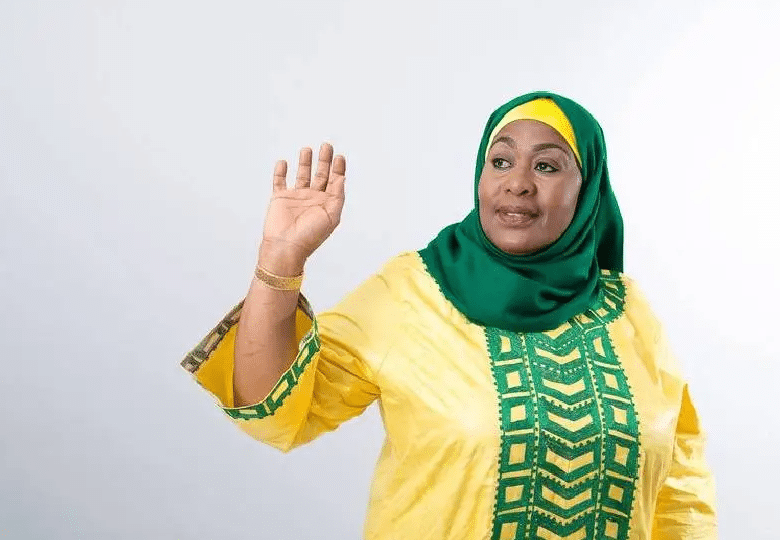

Samia Suluhu Hassan has emerged as one of the most influential political leaders in East Africa. As the President of Tanzania, she made history by becoming the country’s first female head of state, marking a significant milestone in African politics. Her leadership represents a shift toward diplomacy, economic reform, and greater international engagement.
Early Life and Education
Samia Suluhu Hassan was born on January 27, 1960, in Zanzibar. She grew up in a modest background and pursued education as a path to public service. She earned a degree in public administration and later completed postgraduate studies in economics, equipping her with strong administrative and policy-making skills.
Her early career included work in development programs and public service, where she gained experience in governance, planning, and community-focused policy implementation.
Entry into Politics
Samia Suluhu Hassan entered politics through the ruling Chama Cha Mapinduzi (CCM) party. She served in various governmental roles, including as a Member of Parliament and Minister of State. Her calm leadership style and technocratic approach earned her respect within the party and government institutions.
In 2015, she was elected Vice President of Tanzania, becoming the first woman to hold that position in the country.
Becoming President of Tanzania
In March 2021, following the death of President John Magufuli, Samia Suluhu Hassan was sworn in as President of Tanzania. Her appointment marked a historic transition and placed her among the few female heads of state on the African continent.
Upon taking office, she signaled a change in tone and governance style, emphasizing unity, stability, and dialogue.
Leadership Style and Policy Direction
As president, Samia Suluhu Hassan has focused on restoring investor confidence, strengthening diplomatic relations, and promoting economic recovery. Key priorities of her leadership include:
- Improving relations with international partners
- Encouraging foreign investment and tourism
- Supporting private sector growth
- Expanding healthcare and education
- Promoting gender inclusion in leadership
Her pragmatic and inclusive approach has been widely viewed as a departure from more confrontational political styles of the past.
Regional and Global Influence
Samia Suluhu Hassan has strengthened Tanzania’s role in East African and global diplomacy. She has actively engaged with regional blocs and international organizations, positioning Tanzania as a cooperative and stable partner in Africa.
Her leadership has also inspired discussions on women’s representation in politics, serving as a role model for aspiring female leaders across the continent.
Challenges and Criticism
Despite positive international reception, her presidency faces challenges, including economic pressures, political reforms, and balancing continuity with change. Domestic critics continue to monitor progress on democratic freedoms and governance reforms.
Legacy and Significance
Samia Suluhu Hassan’s leadership represents a defining chapter in Tanzania’s political history. As the nation’s first female president, she symbolizes progress, resilience, and evolving governance in East Africa.
Her presidency continues to shape Tanzania’s political identity and its engagement with the world, making her a central figure among contemporary African political leaders.