
A series of Japanese music events in Shanghai were suddenly cancelled over the weekend, triggering widespread criticism from fans and adding cultural fallout to the growing political rift between China and Japan.
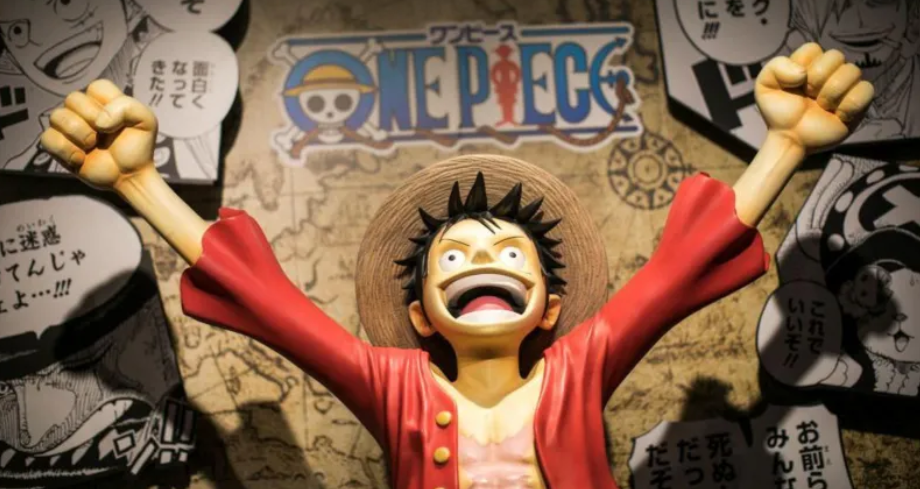
The most dramatic moment occurred on Friday when Maki Otsuki, the singer behind a beloved One Piece anime theme, was stopped mid-performance. As she sang, the venue’s lights and music were abruptly cut, and crew members quickly escorted her off stage. Fans described the shutdown as “extreme” and “disrespectful”.
Ayumi Hamasaki Performs to Empty Stadium After Last-Minute Cancellation
The following day, Japanese pop superstar Ayumi Hamasaki faced her own disruption. Her concert at a 14,000-seat Shanghai arena was cancelled minutes before showtime, with organisers citing “force majeure”. Determined to honour her team, Hamasaki performed anyway—singing to an empty venue as a gesture to staff and supporters.
Both cancellations were part of a three-day music festival in Shanghai, which organisers later called off entirely after “evaluating several factors”, according to Kyodo News.
Political Tensions Behind the Scenes
The cultural cancellations unfold as Beijing and Tokyo continue to clash diplomatically. The latest dispute follows comments by Japanese Prime Minister Sanae Takaichi, who suggested Japan might respond militarily if China attacked Taiwan.
China insists Taiwan is part of its territory and has protested strongly against the remarks.
In response, both governments have filed official complaints, and the broader dispute has started to spill over into daily life—and now entertainment.
Artists Respond Carefully as Fans Express Outrage
Otsuki’s management issued a calm statement, saying only that “unavoidable circumstances” led to the interruption and adding that local staff were “kind and helpful”. The agency declined interview requests.
Fans, however, reacted with forceful criticism. Some created viral memes comparing Otsuki’s removal from the stage to the mysterious escorting-out of former Chinese leader Hu Jintao during a high-profile 2022 political meeting. Others questioned why Chinese authorities would restrict cultural enjoyment for their own citizens.
On social media site X, users wrote:
- “Why punish your own people just to make a political point?”
- “The audience is Chinese—don’t their rights matter?”
Even George Glass, U.S. ambassador to Japan, weighed in online, lamenting that some “can’t feel the power of music” and encouraging Otsuki to “keep believing”.
Nationalist Reactions in China
Not everyone condemned the shutdowns. On Chinese platforms, patriotic users argued that Japanese performers should not have been allowed to appear during a period of heightened national anger toward Japan.
One Weibo user asked: “Why was the event approved in the first place while the nation is confronting Japan diplomatically?”
Broader Cultural Impact
Two weeks earlier, Chinese state media confirmed that the releases of at least two major Japanese anime films would be postponed due to the diplomatic climate. The sudden cancellations of music events now signal that the political dispute is expanding into entertainment and cultural exchanges.
As tensions persist, it remains unclear whether Japanese concerts and media releases in China will resume anytime soon.